
- What is Individual Tax Return?
- Rationale Behind Filing Tax Return & Paying Taxes
- Individual Tax Collection Statistics
- Key Components of Filing Individual Tax Return
- Tax Withholding at Source (TDS) – How it works?
- What happens if Deadline for tax filing is missed?
- Tax Credits Available for Reduction of Taxes Owed
- Understand What can go wrong
- Stay Updated & Be Alert !!!
- Final Thoughts !!!
What is Individual Tax Return?
Your annual Individual Tax Return is essentially a financial report card you submit to tax authority, the Inland Revenue Department (IRD). This document provides a detailed snapshot of your income for the previous year, allowing the government to calculate your tax liability or refund. Whether you’re earning solo (individual filing) or filing jointly with a spouse (couple filing), the process is straightforward. Nepal operates on a trust-based system called Self-Assessment-System (SAS), empowering taxpayers to honestly declare their income. Unless caught in a blatant lie, your declaration is final. To streamline the process, the IRD offers a user-friendly platform for both electronic and paper-based returns.
Remember: Individual who is unmarried can only file tax return as Individual while a married couple can choose option between Individual Filing or Couple Filing.
Rationale Behind Filing Tax Return & Paying Taxes
Taxes aren’t exactly a new invention. Way back in ancient times, people were already chipping in to take care of their communities. Instead of filling out fancy forms, folks in ancient cities might hand over a cow or sheep to the people in charge of administration. Fast forward to today, and taxes are still a big part of being a responsible citizen. It’s like a way of saying “hey, I want to help make this place better for everyone.” The money we pay in taxes goes towards a whole bunch of stuff that benefits us all, like building strong roads, keeping the police for security and order, providing safe drinking water, facilitating accessible health care system and making sure there are parks for everyone to enjoy. Think of it like putting money into a giant bank for the whole community. The government takes what everyone contributes and uses it to fund things that make our lives better and society stronger as a whole. So, the next time you fill out a tax return, remember you’re not just following some boring rule, you’re actually doing your part to build a better community for yourself and everyone around you.
Individual Tax Collection Statistics
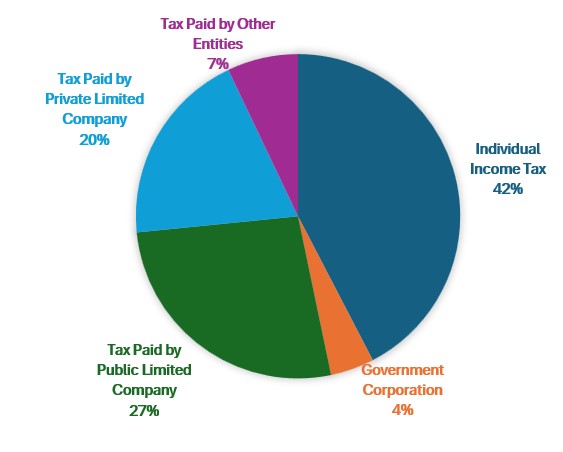
IRD Keeps track of all the forms of taxes including individual income taxes, VAT, etc. in its databases and publish the summary of taxes collected, budget target, achievement % based on budgeted target and many more aspects in part of strengthening taxing policies and system in place. In its latest publication of annual progress report for fiscal year 2079/80, the report demonstrated and compared the income taxes paid by the taxpayers in different headings which are listed below for your understanding. The report clearly shows the huge contribution of individual taxpayers in part of collecting government funds as compared to other institutions, companies, corporations and government agencies (Fy 2079/80 shows 34.64% of total taxes collected are received from individual taxpayers either engaged in proprietorship business, employment, stock trading, sale of land assets, etc. in personal capacity).
Key Components of Filing Individual Tax Return
Your tax return? Think of it as your annual financial report card for taxing agency. It’s where you spill the beans on everything that happened with your money this year. First up, the basics: your name, address, PAN number, filing status (single, married, etc.). Then comes the fun part – all the income you earned, from your job to that sweet side hustle either business, investment, stock trading, etc. But wait, there’s more! You can also show taxing agency receipts for things that lighten your tax load, like paying insurance for house, paying life insurance premium or donating to relief fund. Finally, after they crunch the numbers, you find out if you owe them some extra cash (taxes to be paid) or get some money back (refund)! It’s all about giving the government a clear picture of your financial situation and settling your tax bill for the year.
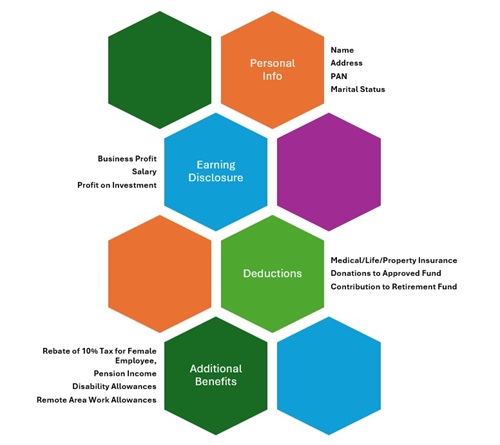
Remember: Permanent Account Number (PAN) is the crucial component in terms of filing individual income taxes. PAN number is the only factor that enable government to recognize its taxpayers and can cause to have direct correlation with the amount of assets earned/acquired by fulfilling the tax rules and regulations and can be traced back to the amount of social reliefs one can get hands on when they reach retirement age.
Tax Withholding at Source (TDS) – How it works?
Picture this: instead of getting one giant paycheck every year, your employer takes out a bit of money for taxes throughout the year and deposits in taxing agency account on your behalf. That way, you’re not stuck with a huge bill come tax time. It’s like paying a little bit towards your phone bill every month instead of getting one monster charge at the end. Understanding how this withholding system works helps you avoid any tax season surprises. You can even adjust how much is withheld throughout the year to make sure you’re not overpaying or underpaying taxing agency. It’s all about staying on top of things and making tax time a breeze!
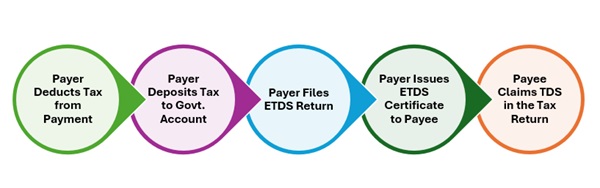
The same logic applies to other side hustle income earned from any business, investment, stock trading, selling of properties & other receipt earned by an individual. The taxes deducted in such income can help to reduce the amount of taxes to be paid to the taxing agency unless such taxes deducted is full and final i.e. if such taxes are final withholding, then any income related to it is excluded in totaling total gross income of individual. For e.g. taxes deducted by stock broker on securities trading is considered final withholding by government of Nepal, thus individual can exclude any profit earned from stock trading in totaling total gross income of the individual. Cheers!!!
What happens if Deadline for tax filing is missed?
Uh oh, forgot to file your taxes by the deadline? Don’t sweat it too much, but don’t just ignore it either. Missing that date can mean extra fees and interest on what you owe. The good news is, you can usually file for an extension. It’s like getting more time to finish that school project – you still gotta do it, but at least you avoid getting a failing grade (and a ton of extra money to pay). So, if tax day snuck up on you, file for an extension to dodge those penalties and interest charges. Just remember, the deadline is the end of Ashwin after year closes on Asadh end. The extension is allowed for the maximum of 3 months till the end of Poush. Its pretty simple and hard to slip by.
Tax Credits Available for Reduction of Taxes Owed
Taxes can feel like a big bite out of your wallet, but there are ways to fight back! Tax credits are like little coupons you can use to lower your tax bill. Earned some medical tax credits this year? Paid taxes in other countries? These might qualify you for tax credits that take a chunk out of what you owe. Finding and claiming these credits can be a game-changer, leaving you with more money in your pocket. So, don’t just accept a monster tax bill – dig into those credits and see what savings you can score! It’s like finding a hidden discount code online – except way better, because it means more money for you!
Attention !!! If you are a woman and only earns your paycheck by working as an employee, then feel free to get extra 10% cash back on the amount of taxes owed to the taxing agency. Our government is really empowering women in every front.
Understand What can go wrong
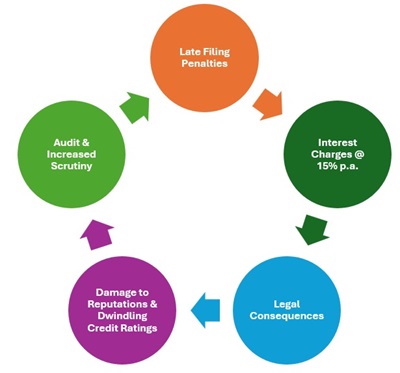
Taxes can feel like a minefield – one wrong step and BAM! Penalties. We’ve all been there – forgetting to file on time, accidentally missing a payment, or maybe claiming something wrong. Yikes! But here’s the good news: understanding these penalties can be your secret weapon. Knowing what happens if you miss a deadline or mess up a form can be the push you need to get things done on time and accurately. No one wants to deal with extra fees and the stress of the taxing agency knocking on their door. So, by staying informed and getting those taxes filed right the first time, you can turn tax season into a breeze (or at least a less painful experience!). It’s all about being proactive and avoiding those penalty pitfalls for a smoother, stress-free tax year.
Stay Updated & Be Alert !!!
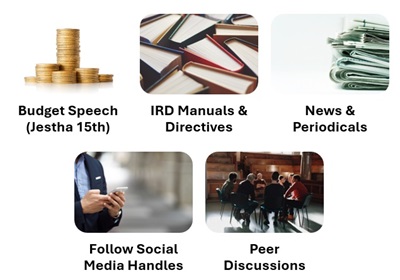
Tax laws? More like “tax laws in flux!” They’re constantly changing, just like everything else. Why? Well, they gotta keep up with the times, you know? New social programs, economic twists and turns, even who’s in charge – all this stuff can affect the tax code. That’s why staying in the loop is key! A deduction you snagged last year might be gone this year, but a brand new credit could pop up that saves you a ton of cash. By keeping your ear to the ground (or, you know, following some reliable tax info sources), you can make sure you’re always taking advantage of the latest and greatest ways to save money on your taxes. It’s like playing a game with the tax code – the more you know about the rules, the better your chances of winning (by winning, we mean keeping more of your hard-earned money, of course).
Final Thoughts !!!
Tax return time! It’s basically your yearly money check-in with taxing agency. You gotta tell them everything: how much you earned (your salary, side hustles, the whole kit), and any ways you lightened your financial load (paying insurance, donating to relief fund, that sort of thing). They use all this info to figure out if you owe them some extra cash (taxes owed) or if you actually get some money back (refund)! It’s like showing your report card at school, but instead of grades, it’s about your money picture and settling your tax bill for the year.
- Do I need to file income tax return as an individual every year?
The filing of individual tax return depends upon your sources of income. For e.g. any individual making paycheck in employment contract with only single employer in a year need not to file individual tax return since any tax withheld upon making paycheck acts as form of tax return. The IRD website offers a handful tool to determine your tax obligations:https://ird.gov.np/category/informativebook - What happens if I have tax liability upon my return filing?
If you have a tax liability, you are responsible for paying the owed amount to the IRD by the filing deadline. The IRD offers various payment options, including electronic payments, installment plans, and extensions. - What Documents do I require /need to file tax return?
To ensure accurate income tax return filing, gather all possible tax payment receipts from your employer, any receipts for potential deductions (like medical insurance receipts, life insurance receipts, Donation receipts to approved relief fund, Receipts for retirement payment, etc). If you are engaged in business activities too then properly audit the financial statement of your undertakings and follow the guidance of experts if necessary. - Can I reduce my tax liability through deduction/reduction?
Deductions are allowable expenses that decrease your taxable income, potentially lowering your tax liability. Meanwhile, Reduction is the incentives provided directly to reduce your tax liability. Common deductions include loan interest payments (for business undertakings), medical expenses exceeding a certain threshold, and charitable contributions to approved fund. As for reduction of tax liability, any female worker earning only employer’s paycheck can take 10% reduction in their tax liability. Always consult the IRD website or a tax professional for current deduction/reduction qualifications and limitations. - Should I consider hiring tax experts & professionals?
The decision to utilize a tax professional depends on your individual circumstances. If your tax situation is relatively simple, you might consider using tax preparation guidelines published and updated time and again from IRD. However, if your tax situation involves complex factors or self-employment income, consulting a qualified tax professional can be beneficial to ensure accuracy, maximize deductions, and potentially save money in the long run. - When is the deadline for filing my tax return?
The typical deadline for filing income tax returns in Nepal is end of Ashwin of each year. However, the deadline can be extended upto maximum of 3 more months ending on Poush end of each year. However, such extensions are only permitted to the individuals earning through business undertakings & not applicable for the individual having income from employment, investment & other streams of income.
Pro Tip: Maintain organized records throughout the year. This simplifies the tax filing process by ensuring you have all necessary documentation readily available.